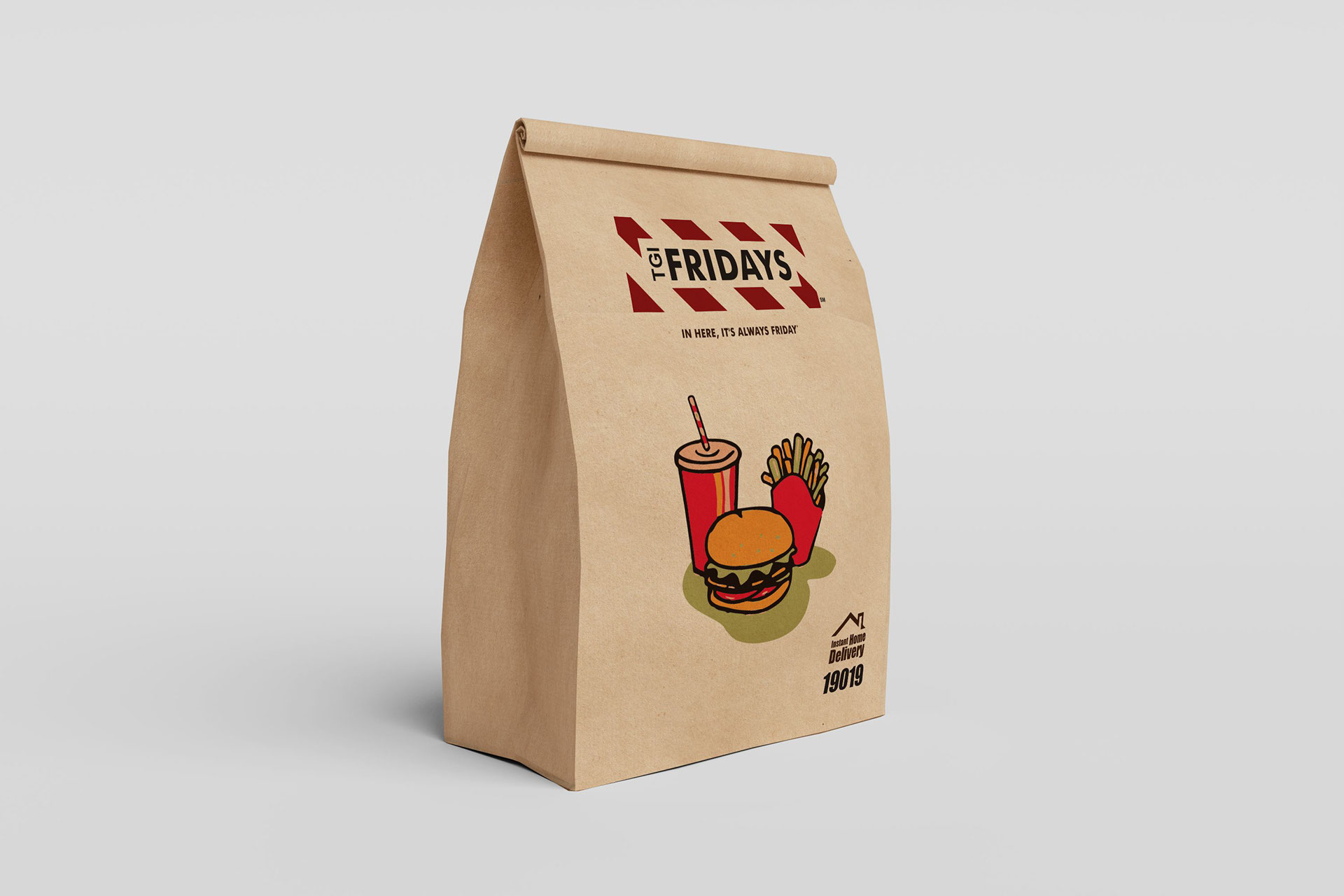
Paper food bags are one of the most practical, eco-friendly, and affordable packaging solutions for bakeries, cafes, restaurants, grocery stores, and home use. Whether we need stylish takeaway packaging, sustainable lunch bags, or custom paper bags for food products, learning how to make a paper food bag gives us complete control over size, design, durability, and branding.
In this detailed guide, we will cover everything from selecting the right materials to folding techniques, food-safe considerations, customization methods, and professional finishing tips. By following these steps carefully, we can create strong, attractive, and reusable kraft paper food bags suitable for various food applications.
Why Paper Food Bags Are Popular
Paper food bags have become increasingly popular because they combine functionality, sustainability, and cost-effectiveness. Businesses and consumers now prefer paper packaging over plastic because it is biodegradable and environmentally responsible.
Some major benefits include:
- Eco-friendly packaging
- Recyclable and biodegradable
- Food-safe material options
- Customizable branding
- Affordable production costs
- Stylish and professional appearance
- Reusable for multiple purposes
Restaurants, bakeries, coffee shops, and retail stores commonly use paper food bags for sandwiches, pastries, snacks, groceries, and takeaway meals.
Materials Needed to Make a Paper Food Bag
Before starting, we need to gather the proper materials and tools to ensure durability and a professional finish.
Essential Materials
- Kraft paper sheets
- Brown paper rolls
- Food-grade paper
- Glue or adhesive
- Double-sided tape
- Paper cutter or scissors
- Ruler
- Pencil
- Bone folder for creasing
- Hole punch (optional)
- Twisted paper handles or ribbon handles
Best Paper Types for Food Bags
Choosing the right paper is extremely important for both appearance and functionality.
Kraft Paper
Kraft paper is the most popular option because it is durable, recyclable, and visually appealing.
Greaseproof Paper
Ideal for oily foods such as fries, burgers, and pastries.
White Food-Grade Paper
Perfect for premium bakery packaging and branded takeaway bags.
Recycled Paper
Suitable for environmentally conscious businesses.
How to Measure a Paper Food Bag Correctly
Proper measurements determine whether the bag will function effectively. Before cutting the paper, we need to determine:
- Bag height
- Bag width
- Gusset depth
- Bottom width
Standard Formula
To calculate paper size:
- Paper Width = Bag Width × 2 + Gusset × 2 + Glue Flap
- Paper Height = Desired Height + Bottom Fold Allowance
Example
For a bag measuring:
- Width: 8 inches
- Gusset: 4 inches
- Height: 12 inches
We would need approximately:
- Paper Width = 8×2 + 4×2 + 1 = 25 inches
- Paper Height = 12 + 3 = 15 inches
Accurate measurements prevent uneven folds and weak structures.
Step-by-Step Process to Make a Paper Food Bag
Step 1: Cut the Paper
Place the kraft paper on a flat surface and measure according to the desired bag dimensions. Use a ruler and cutter for straight edges.
Precision is essential because uneven cuts can distort the entire structure.
Step 2: Create Vertical Folds
Lay the paper horizontally and divide it into sections:
- Front panel
- Side gusset
- Back panel
- Side gusset
- Glue flap
Carefully crease each section using a bone folder to create sharp, professional folds.
Strong creases improve durability and overall appearance.
Step 3: Apply Adhesive
Add glue or double-sided tape along the narrow glue flap. Fold the opposite side over it and press firmly.
Allow the adhesive to dry completely before moving forward.
This forms the main tube structure of the paper bag.
Step 4: Form the Bottom Base
Fold the bottom section upward approximately 2–3 inches.
Open the folded section and press the corners inward to create triangular flaps.
Fold:
- Top flap downward
- Bottom flap upward
Apply adhesive between overlapping layers.
Press firmly to secure the base.
The bottom structure must be strong enough to support food’s weight.
Step 5: Create Side Gussets
Push both sides inward carefully to form expandable gussets.
These gussets allow the bag to hold bulkier food items such as:
- Sandwiches
- Bakery products
- Takeout containers
- Snacks
- Groceries
Well-shaped gussets improve storage capacity and appearance.
Step 6: Reinforce the Bag
For heavier food packaging, reinforce the bottom using:
- Extra cardboard insert
- Additional paper layer
- Thick kraft paper
This increases weight-bearing capacity significantly.
Step 7: Add Handles (Optional)
Handles make the bag easier to carry and enhance presentation.
Handle Options
- Twisted paper handles
- Flat paper handles
- Ribbon handles
- Cotton rope handles
Punch holes evenly and secure handles using adhesive patches inside the bag.
How to Make Food Bags Grease-Resistant
Food packaging often encounters oil and moisture. To prevent leakage:
Use Greaseproof Lining
Insert a grease-resistant paper layer inside the bag.
Apply Food-Safe Coating
Wax coatings or biodegradable barrier coatings help resist moisture.
Choose Thicker Paper
Heavyweight kraft paper offers better resistance against oil absorption.
These methods improve product safety and customer satisfaction.
Best Designs for Paper Food Bags
Design plays a major role in customer attraction and branding to order paper bags from custom product packaging.
Minimalist Kraft Design
Natural brown kraft paper with black printing creates a modern, eco-friendly appearance.
Bakery Window Bags
Transparent windows showcase baked goods while protecting freshness.
Custom Printed Food Bags
Businesses can print:
- Logos
- Brand colors
- Product information
- QR codes
- Promotional messages
Seasonal Packaging
Holiday-themed paper bags increase customer engagement during festive seasons.
How to Print on Paper Food Bags
Professional printing enhances packaging appeal.
Popular Printing Methods
Flexographic Printing
Ideal for large-scale production.
Screen Printing
Perfect for bold graphics and small orders.
Digital Printing
Excellent for detailed custom designs.
Stamp Printing
Affordable solution for handmade paper bags.
Using food-safe inks is essential for direct food contact packaging.
Common Uses of Paper Food Bags
Paper food bags are highly versatile and suitable for multiple industries.
Bakery Packaging
Used for cookies, bread, pastries, and donuts.
Restaurant Takeaway Bags
Ideal for fast food and meal packaging.
Coffee Shop Packaging
Perfect for snacks, muffins, and sandwiches.
Grocery Packaging
Suitable for fruits, vegetables, and dry goods.
Gift Food Packaging
Excellent for candies, chocolates, and gourmet products.
Tips for Making Strong Paper Food Bags
Choose High-Quality Paper
Thicker kraft paper improves durability.
Use Strong Adhesive
Weak glue may cause the bag to fail under weight.
Create Sharp Creases
Professional folds improve structure.
Double Reinforce the Bottom
Especially important for heavy food containers.
Test Weight Capacity
Always test before commercial use.
Eco-Friendly Advantages of Paper Food Bags
Sustainability is one of the main reasons businesses switch to paper packaging.
Biodegradable Material
Paper naturally decomposes over time.
Recyclable Packaging
Customers can recycle used bags easily.
Reduced Plastic Waste
Paper bags help lower environmental pollution.
Reusable Structure
Strong paper bags can be reused multiple times.
Consumers increasingly support brands using sustainable packaging solutions.
How Businesses Can Brand Paper Food Bags
Custom paper food bags are powerful marketing tools.
Logo Placement
Large visible logos improve brand recognition.
Custom Colors
Brand colors create consistency across packaging.
Typography
Elegant fonts increase professionalism.
Social Media Information
Adding Instagram or website details encourages engagement.
QR Codes
Customers can scan codes for menus, discounts, or promotions.
Branded packaging enhances customer experience and creates free advertising opportunities.
Mistakes to Avoid When Making Paper Food Bags
Using Thin Paper
Thin material tears easily under pressure.
Weak Bottom Seals
Poorly sealed bottoms can collapse.
Incorrect Measurements
Improper sizing creates structural problems.
Poor Folding Technique
Uneven folds reduce visual appeal.
Ignoring Food Safety
Always use food-safe materials and adhesives.
Avoiding these mistakes ensures professional-quality results.
Advanced Customization Ideas
Businesses can elevate packaging using premium finishing techniques.
Foil Stamping
Adds luxury metallic effects.
Embossing
Creates raised textures for premium branding.
Matte or Gloss Finishes
Enhances visual appeal.
Die-Cut Windows
Allows customers to view products directly.
Custom Stickers and Labels
Improves branding flexibility.
These enhancements help businesses stand out in competitive markets.
How to Store Paper Food Bags Properly
Correct storage maintains bag quality and prevents damage.
Keep in Dry Areas
Moisture weakens paper fibers.
Avoid Direct Sunlight
Prevents fading and discoloration.
Stack Neatly
Reduces creasing and deformation.
Protect from Dust
Use covered storage containers when possible.
Proper storage extends shelf life and preserves presentation quality.
Final Thoughts on Making Paper Food Bags
Learning how to make a paper food bag allows us to create practical, eco-friendly, and attractive packaging for countless food applications. With the right paper, precise measurements, strong adhesive, and professional folding techniques, we can produce durable bags suitable for restaurants, bakeries, grocery stores, and retail businesses.
Modern consumers value sustainability and premium presentation, making paper food bags an excellent packaging choice for both personal and commercial use. By combining structural strength with creative branding, businesses can improve customer satisfaction while promoting environmentally responsible packaging solutions.