From Supermarket to Luxury Boutique: The Evolution of the Tea Market
Introduction: Tea’s Journey Through Time and Taste
Tea has always been more than just a beverage—it is a ritual, a comfort, and in many cultures, a symbol of hospitality and tradition. For decades, tea was primarily found on supermarket shelves, packaged in simple boxes and sold as an everyday household essential. But over the past few years, the tea market has undergone a remarkable transformation. What was once a basic commodity has evolved into a premium lifestyle product, now proudly displayed in luxury boutiques, specialty cafés, and high-end wellness stores.
This shift reflects not only changing consumer preferences but also a deeper appreciation for quality, origin, and experience.
The Supermarket Era: Tea as a Daily Necessity
In its earlier commercial phase, tea was largely treated as a functional product. Supermarkets dominated distribution, offering mass-produced tea bags designed for convenience and affordability. Brands focused on consistency, shelf life, and accessibility rather than uniqueness or storytelling.
Consumers typically chose between black tea, green tea, or herbal blends with little attention to origin or processing methods. The experience was simple: boil water, steep the bag, and drink. Tea was part of daily life, but rarely considered a luxury or artisanal product.
This era established tea as a global staple, but it left little room for creativity or premium positioning.
The Shift Toward Specialty and Craft Tea
As global consumer culture evolved, so did expectations. People began to seek authenticity in what they consume—food and beverages included. This shift gave rise to specialty tea shops and artisanal brands that emphasized origin, harvesting methods, and flavor complexity.
Instead of generic blends, consumers were introduced to single-origin teas from regions like Japan, China, Sri Lanka, and India. Loose-leaf tea replaced tea bags in premium segments, offering richer aroma and deeper flavor profiles.
Storytelling also became essential. Brands started highlighting tea gardens, farmers, and traditional processing methods, turning each cup into an experience rather than just a drink.
The Rise of Luxury Tea Boutiques
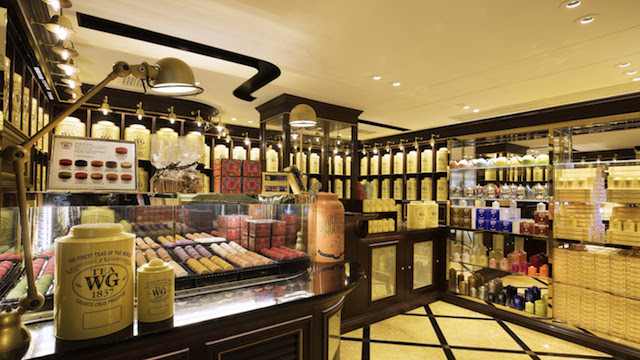
Today, tea has firmly entered the luxury market. Boutique tea stores now resemble high-end perfume shops, offering curated selections in elegant packaging. Customers are guided through tasting sessions, aroma profiles, and personalized recommendations.
Luxury tea is no longer just about taste—it is about identity and lifestyle. Rare harvests, limited editions, and handcrafted blends can command premium prices. Presentation matters as much as quality, with glass jars, minimalist tins, and artistic packaging enhancing the perceived value.
In urban centers, tea lounges and boutique cafés have also emerged, offering immersive experiences where tea is brewed with precision and served with ceremony.
Wellness and the Modern Tea Consumer
Another major driver of this evolution is the wellness movement. Modern consumers increasingly associate tea with health benefits such as relaxation, detoxification, and mental clarity. Herbal blends infused with ingredients like chamomile, matcha, turmeric, and lemongrass are especially popular.
Tea is now positioned as part of a holistic lifestyle—connected to mindfulness, self-care, and balance. This wellness association has further elevated its status in premium markets.
Conclusion: A Beverage Reimagined
The journey of tea from supermarket shelves to luxury boutiques reflects a broader global trend: the transformation of everyday tea time boba products into curated experiences. What was once a simple household item is now a symbol of culture, craftsmanship, and personal identity.
As consumers continue to value quality over quantity and experience over convenience, the tea market is likely to evolve even further—blending tradition with innovation in every cup.