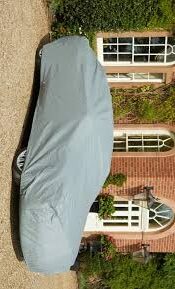
Hailstorms can strike with little warning and cause serious damage to vehicles in just a few minutes. Even relatively small hailstones can leave dents, chip paint, and crack windshields. A hail protection car cover is one of the most practical and cost-effective defenses available to car owners who want to avoid expensive repairs and preserve vehicle value.
This guide explains how hail protection covers work, what features matter most, and how to choose the right one for your needs.
What Is a Hail Protection Car Cover?
A hail protection car cover is a specially engineered protective layer designed to absorb and distribute the impact of falling hailstones. Unlike standard dust or rain covers, these are built with multi-layer cushioning materials that reduce force before it reaches the car’s surface.
Most high-quality versions include:
- Impact-absorbing foam layers
- Reinforced outer waterproof shell
- Soft inner lining to prevent scratches
- Elastic hems or straps for secure fitting
The goal is simple: reduce the energy of hail impact so your vehicle’s body panels, glass, and paint remain undamaged.
Why Hail Damage Is So Expensive
Hail damage repair is one of the most common insurance claims in storm-prone regions. Even a short storm can cause:
- Hundreds of small dents across the hood, roof, and trunk
- Cracked or shattered windshields
- Broken side mirrors or light covers
- Paint chipping that leads to rust over time
Repairs can range from minor paintless dent removal to full panel replacements. In severe cases, costs can exceed thousands of dollars. A hail protection cover is often significantly cheaper than a single repair job.
How Hail Protection Car Covers Work
These covers use shock-absorbing engineering to minimize damage. Here’s what happens during a hailstorm:
- Initial Impact Absorption
The outer layer takes the first hit and spreads the force over a wider area. - Energy Dissipation
Foam or air-cushion layers slow down the hailstone, reducing its velocity before it reaches the car. - Surface Protection
The soft inner lining prevents scratches or abrasion on paintwork. - Rebound Control
Some designs reduce bounce-back, preventing secondary impacts.
The result is a significant reduction in dent formation and surface damage.
Types of Hail Protection Car Covers
Not all covers are built the same. Understanding the different types helps you choose the right level of protection.
1. Lightweight Foam Covers
These are easy to install and suitable for light to moderate hail conditions. They offer basic cushioning and are often used for everyday protection.
2. Heavy-Duty Multi-Layer Covers
Designed for severe hailstorms, these covers use thicker foam padding and reinforced outer shells. They provide the highest level of impact resistance.
3. Inflatable Hail Shields
These use air chambers that inflate around the vehicle. They create a shock-absorbing air barrier and are highly effective but require setup time.
4. Custom-Fit Covers
Tailored to specific vehicle models, these offer better coverage and wind resistance compared to universal-fit options.
Key Features to Look For
When selecting a hail protection car cover, focus on these critical features:
Impact Resistance Rating
Look for covers tested against hailstone sizes and drop speeds. Higher ratings generally mean better protection.
Material Quality
Multi-layer construction is essential. The best covers combine:
- EVA foam or similar cushioning materials
- Waterproof outer coating
- UV-resistant fabric
Secure Fit System
Strong straps, buckles, or elastic hems prevent the cover from blowing off in strong winds.
Weather Resistance
A good cover should protect against:
- Rain
- UV rays
- Dust and debris
- Snow (in colder regions)
Breathability
Moisture buildup under the cover can lead to mold or paint damage. Ventilation is important.
Benefits of Using a Hail Protection Car Cover
Investing in a hail protection cover provides several advantages:
1. Cost Savings
Avoid expensive dent repairs and insurance claims.
2. Year-Round Protection
Many covers also shield against sun damage, bird droppings, and tree sap.
3. Preserves Vehicle Value
Maintaining exterior condition helps retain resale value.
4. Quick Deployment
Most covers can be installed within minutes when storms are approaching.
5. Peace of Mind
You don’t need to constantly worry about weather forecasts during storm seasons.
Limitations to Be Aware Of
While highly effective, hail protection covers are not perfect:
- Extremely large hailstones (golf-ball size or larger) may still cause minor damage
- Poorly secured covers can shift in strong winds
- Cheap materials degrade quickly under UV exposure
- Not a substitute for garage parking when available
Understanding these limitations helps set realistic expectations.
How to Properly Use a Hail Protection Cover
To maximize protection:
- Always ensure the cover is fully stretched and aligned
- Secure all straps tightly under the vehicle
- Avoid using on wet or dirty cars (to prevent scratches)
- Store it dry after use to prevent mold
- Inspect regularly for tears or worn padding
Proper usage is just as important as product quality.
Who Should Buy One?
A hail protection car cover is especially useful for:
- Drivers in hail-prone regions
- People without access to covered parking
- Outdoor vehicle storage situations
- Owners of new or high-value cars
- Fleet or dealership vehicles
If hailstorms are a seasonal risk in your area, this is a practical investment rather than a luxury.
Final Thoughts
A hail protection car cover is one of the simplest ways to safeguard your vehicle from unpredictable and costly weather damage. By combining impact-absorbing materials, secure fitting systems, and weather-resistant layers, these covers significantly reduce the risk of dents and glass damage.
While not a replacement for indoor parking, they provide a strong second line of defense—especially when storms strike without warning. Choosing a well-built, properly fitted cover can save you both money and frustration over the long term.