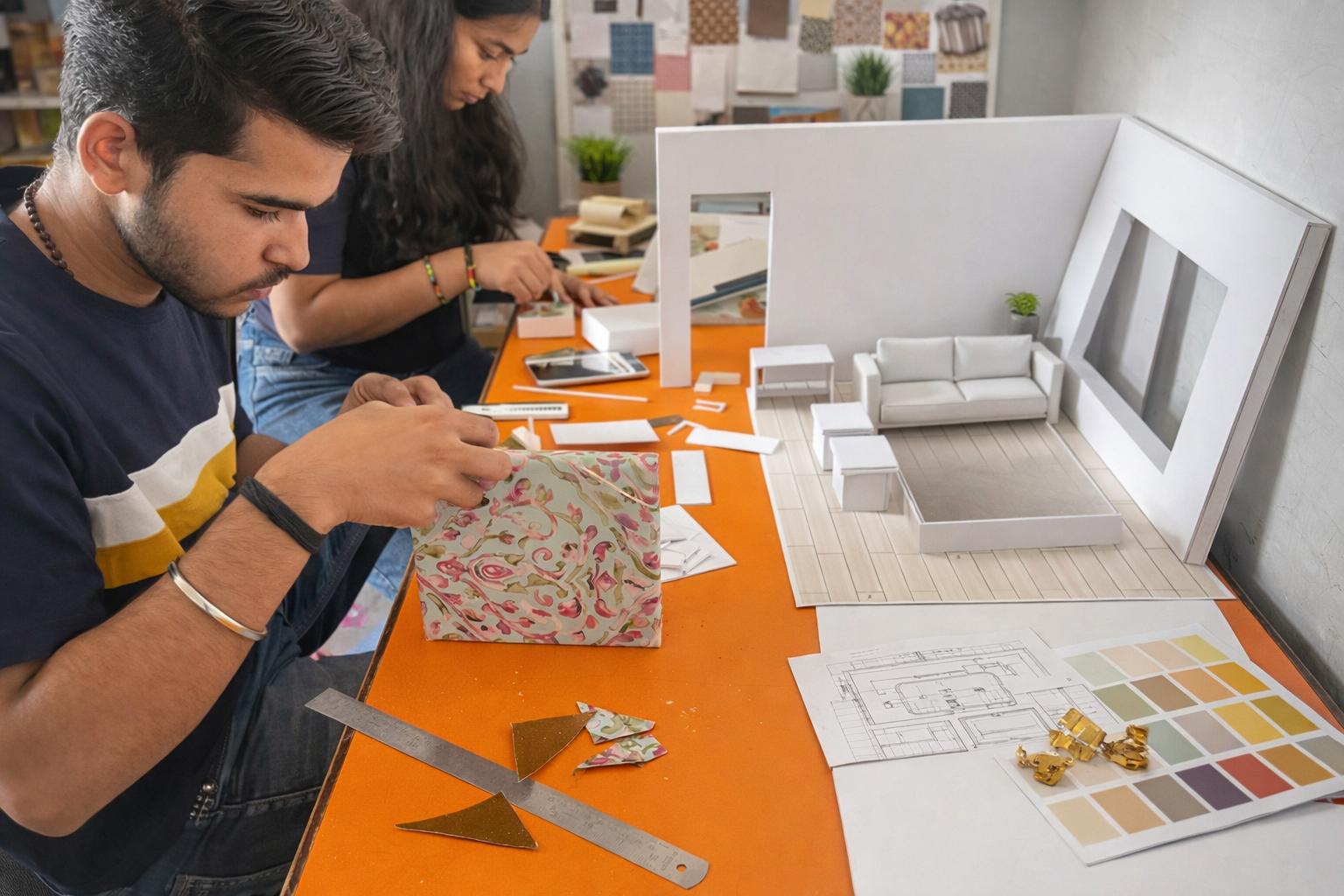
Interior design is no longer limited to decorating homes. Today, it combines creativity, architecture, technology, sustainability, and user experience to create spaces that are practical and visually impressive. A Masters in Interior Design helps students gain advanced knowledge in space planning, furniture design, lighting, materials, digital visualization, and project management.
The program is designed for students who want to build professional careers in residential, commercial, hospitality, retail, and luxury interior design.
The interior design industry in India continues to grow due to urban development, modern housing projects, office expansion, and demand for customized interiors. Companies now look for designers who understand both aesthetics and technical execution.
Masters in Interior Design at Wisdom College for Creativity & Design offers practical learning, industry exposure, workshops, internships, and portfolio development to prepare students for professional careers.
What is a Masters in Interior Design?
A Masters in Interior Design is a postgraduate program focused on advanced interior planning, creative problem-solving, and modern design practices. The course teaches students how to design functional and visually balanced spaces while understanding user comfort, sustainability, and construction requirements.
Students learn how to transform residential homes, offices, retail stores, hotels, restaurants, and public spaces into efficient environments. The program combines theory with practical assignments so students can develop technical knowledge alongside creative thinking.
The course also focuses on digital tools and modern design software that are widely used in the industry. Students work on live projects, presentations, studio assignments, and collaborative workshops to improve professional confidence.
The program offered by Wisdom College includes industry-integrated projects, workshops, internships, and global exposure opportunities that help students understand current industry standards and professional workflows.
Core Subjects Covered in the Program
The curriculum covers both creative and technical aspects of interior design. Students gain practical exposure through studio learning and project-based assignments that improve industry readiness.
Common subjects include:
- Space planning
- Furniture design
- Lighting design
- Sustainable interiors
- Interior styling
- Material studies
- CAD and 3D visualization
- Residential interiors
- Commercial interiors
- Exhibition design
- Design communication
- Project management
Students also learn advanced tools like CAD, 3D modeling, and virtual design technologies that help them create professional interior presentations. Practical assignments help students understand space functionality, aesthetics, client requirements, and execution methods.

Skills Students Develop During the Course
A postgraduate interior design course develops both creative and technical skills. Students learn how to balance design concepts with real-world functionality and user requirements.
Important skills developed during the course include:
- Space planning
- Technical drawing
- 3D visualization
- Concept development
- Furniture layout planning
- Client presentation
- Material selection
- Lighting coordination
- Problem-solving
- Project execution
Students also improve communication and teamwork abilities through workshops and collaborative projects. Portfolio development remains an important part of the course because employers and clients often evaluate design capability through project presentations.
Hands-on learning helps students gain confidence which you can also gather by enrolling in a professional modular kitchen design course.
Why Choose a Masters Degree in Interior Design?
A postgraduate degree helps students move beyond basic design knowledge and build advanced industry skills. The modern interior design industry expects professionals to understand technology, sustainability, construction methods, and client-focused planning.
A master’s degree provides deeper understanding of design systems, spatial psychology, smart interiors, and modern design trends. Students gain exposure to practical industry challenges that improve creative thinking and technical accuracy.
The course also helps students build stronger portfolios and professional networks through internships, workshops, and industry interaction. Many employers prefer candidates with advanced education because they are trained to handle complex projects and professional responsibilities.
Graduates can work with interior design studios, architecture firms, furniture companies, retail brands, hospitality projects, and real estate developers.
Practical Learning and Industry Exposure
Practical training plays a major role in interior design education. Students learn more effectively when they work on real projects and professional assignments instead of only studying theory.
Interior design students participate in:
- Studio-based learning
- Site visits
- Industry workshops
- Design exhibitions
- Furniture planning projects
- Visualization assignments
- Live client projects
These activities improve technical understanding and creative execution. Students also learn how to communicate ideas professionally through presentations and digital visualization.
The program at Wisdom College includes internships, workshops, collaborative projects, and exposure to real-world design challenges that help students prepare for professional careers.
Benefits of Advanced Interior Design Education
Advanced education creates better career opportunities and improves long-term professional growth. Students develop specialized knowledge that helps them work on residential, commercial, hospitality, and luxury projects.
A master’s degree can help students:
- Build stronger portfolios
- Improve technical skills
- Learn advanced software
- Gain industry exposure
- Develop professional confidence
- Access better placement opportunities
The course also supports entrepreneurship. Many graduates eventually start their own design studios or freelance consultancy businesses after gaining industry experience.
Professional education also helps students understand budgeting, project management, client interaction, and business operations within the design industry.
Eligibility Criteria for Masters in Interior Design
Eligibility requirements may vary depending on the institution. Most colleges accept students who have completed graduation from a recognized university.
Students from interior design, architecture, fine arts, fashion, or related creative fields are commonly eligible for admission. Some institutions may also accept students from other academic backgrounds if they demonstrate creative aptitude and strong interest in design.
Admission usually includes:
- Application form submission
- Academic evaluation
- Portfolio review
- Personal interview
- Entrance assessment
Students should prepare portfolios carefully because they demonstrate creativity, technical ability, and design thinking.
According to the official course page, eligibility for the program at Wisdom College requires graduation from a recognized university.
Academic Qualifications Required
Applicants generally need:
- Graduation from a recognized institution
- Minimum qualifying marks
- Creative aptitude
- Interest in interior and spatial design
Students with previous design education may adapt faster to technical coursework and studio assignments. However, motivated learners from related fields can also succeed through practical learning and project work.
Strong communication and presentation skills can also help students during interviews and portfolio discussions.
Portfolio and Admission Process
A portfolio is one of the most important parts of the admission process. It helps institutions evaluate creativity, technical understanding, and design potential.
A professional portfolio may include:
- Interior sketches
- Space layouts
- Furniture concepts
- 3D renders
- Mood boards
- Design presentations
- Academic projects
Students should organize their work clearly and present projects professionally. Clean layouts, concept explanations, and visual consistency improve portfolio quality.
Some institutions may conduct interviews to understand the applicant’s design interest and career goals.
Course Duration and Specializations
Most Masters in Interior Design programs are completed in two years. The course structure combines theoretical learning with practical studio assignments, workshops, internships, and research-based projects.
Students gain exposure to multiple aspects of interior design before selecting areas of specialization. Specialized education helps students develop focused expertise according to industry demand and career goals.
The program at Wisdom Design College is a two-year course designed to provide comprehensive knowledge and hands-on training in interior design.
Popular Interior Design Specializations
Students may choose specializations according to their interests and career plans. Different specialization areas support different professional opportunities within the design industry.
Popular specializations include:
- Residential interior design
- Commercial interior design
- Retail space design
- Hospitality interiors
- Sustainable interior design
- Furniture design
- Exhibition design
- Luxury interiors
Specialized training helps students improve technical depth and industry understanding. Students also gain opportunities to work on projects that match real market requirements.
Sustainable design and smart interiors are becoming especially important due to growing environmental awareness and changing user expectations.
Internships and Live Projects
Internships help students understand professional work environments and client expectations. They also improve practical experience before graduation.
Students may work with:
- Interior design studios
- Architecture firms
- Real estate companies
- Furniture brands
- Retail design agencies
Live projects help students learn budgeting, planning, deadlines, and communication skills. These experiences improve confidence and help students adapt to professional workflows.
Many students use internship projects and final-year assignments as major portfolio assets during placement interviews.
Career Opportunities After Masters in Interior Design
Interior design offers career opportunities across residential, commercial, hospitality, retail, exhibition, and luxury sectors. As urban development and modern infrastructure continue expanding in India, the demand for professional interior designers also continues to grow.
Graduates can work in both creative and technical roles depending on specialization and skill level. Interior designers are required for homes, offices, hotels, restaurants, cafes, showrooms, and public spaces.
The program also supports freelance careers and entrepreneurship for students who want to establish independent design consultancies.
Top Job Roles in Interior Design
Graduates can pursue multiple professional roles within the design industry.
Popular career options include:
- Interior Designer
- Space Planner
- Furniture Designer
- Exhibition Designer
- Retail Interior Designer
- Interior Stylist
- Design Consultant
- Lighting Designer
- Visual Merchandiser
- CAD Designer
The official course page from Wisdom College also highlights opportunities such as Residential Interior Designer, Commercial Interior Designer, Retail Interior Designer, Exhibition Designer, Universal Design Specialist, and Sustainability Consultant.
Salary Expectations and Industry Growth
Interior design salaries depend on several factors including:
- Skills
- Portfolio quality
- Software knowledge
- Internship experience
- Specialization
- Location
Professionals working in metropolitan cities and luxury design sectors may receive higher salary packages. Designers with advanced visualization and technical skills are often preferred by employers.
Freelancers and consultants can also increase earnings by building personal brands and long-term client networks.
The growing focus on modern housing, office spaces, hospitality projects, and sustainable interiors continues creating strong opportunities for trained interior designers across India.
Why Choose Wisdom College for Creativity & Design?
Wisdom College for Creativity & Design focuses on practical education, creative development, and industry-oriented learning. The institution offers specialized programs in interior design, fashion design, graphics, and other creative fields.
The learning environment combines studio-based assignments, technical workshops, project execution, and professional mentorship. Students gain practical exposure through interactive learning activities and industry-relevant assignments.
The institution also emphasizes portfolio development, internships, and placement support that help students prepare for professional careers.
Industry-Focused Interior Design Education
The program encourages students to learn through practical execution instead of only theoretical study. Students gain opportunities to work on projects that reflect real industry standards and client requirements.
The institution provides:
- Studio learning
- CAD training
- Practical workshops
- Interactive assignments
- Industry exposure
- Design projects
Students also learn visualization tools and modern design techniques that improve technical capability and creative presentation quality.
The curriculum includes creative space planning and detailed knowledge of modular and convertible interiors with accessories.
Placement Assistance and Career Development
Career preparation is an important part of professional design education. Students need industry exposure, portfolio guidance, and interview preparation before entering the job market.
Support services may include:
- Portfolio development
- Internship assistance
- Interview preparation
- Placement guidance
- Industry interaction
Many student reviews also highlight supportive faculty, practical workshops, and hands-on learning experiences at the institution.
How to Apply for Admission
Students interested in postgraduate interior design education should prepare application documents early and review admission guidelines carefully.
Applicants should research specialization options and prepare portfolios professionally before applying. Organized project presentations can improve admission opportunities significantly.
Students should also stay updated with admission announcements and application deadlines through the official website.
Documents Required
Commonly required documents include:
- Graduation certificates
- Academic mark sheets
- Identity proof
- Passport-size photographs
- Portfolio work
- Resume
Some institutions may request additional documents depending on their admission process.
Admission Process Step-by-Step
The admission process usually includes:
- Fill out the application form
- Submit academic documents
- Upload or present portfolio
- Attend interview or assessment
- Confirm admission after selection
Students should regularly check the official website for updated admission information and eligibility details.
Frequently Asked Questions
Is a Masters in Interior Design a good career option?
Yes.
The interior design industry offers opportunities in residential, commercial, retail, hospitality, and luxury sectors. Skilled professionals are in demand due to growing infrastructure and modern lifestyle requirements.
What is the duration of the course?
Most Masters in Interior Design programs are completed in two years.
Does the course include internships?
Yes.
Professional interior design programs usually include internships, workshops, and live projects to improve practical learning.
What software is taught in interior design courses?
Many institutions teach CAD, 3D visualization, SketchUp, rendering software, and virtual design tools.
Can students from non-design backgrounds apply?
Some colleges may accept students from related academic fields if they demonstrate creativity and strong interest in design.